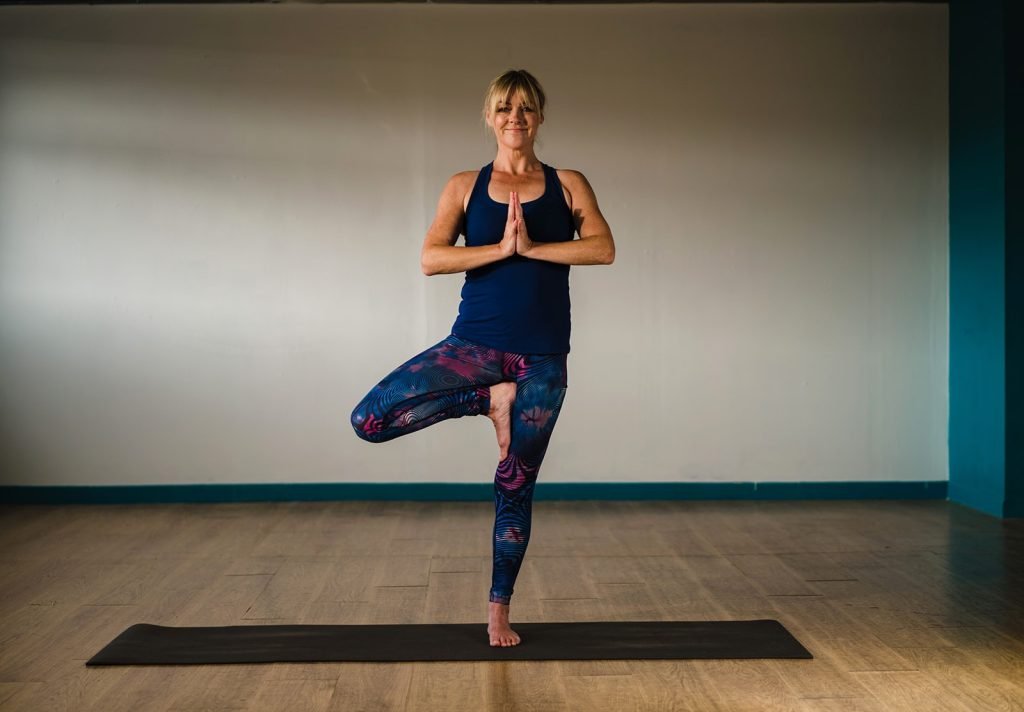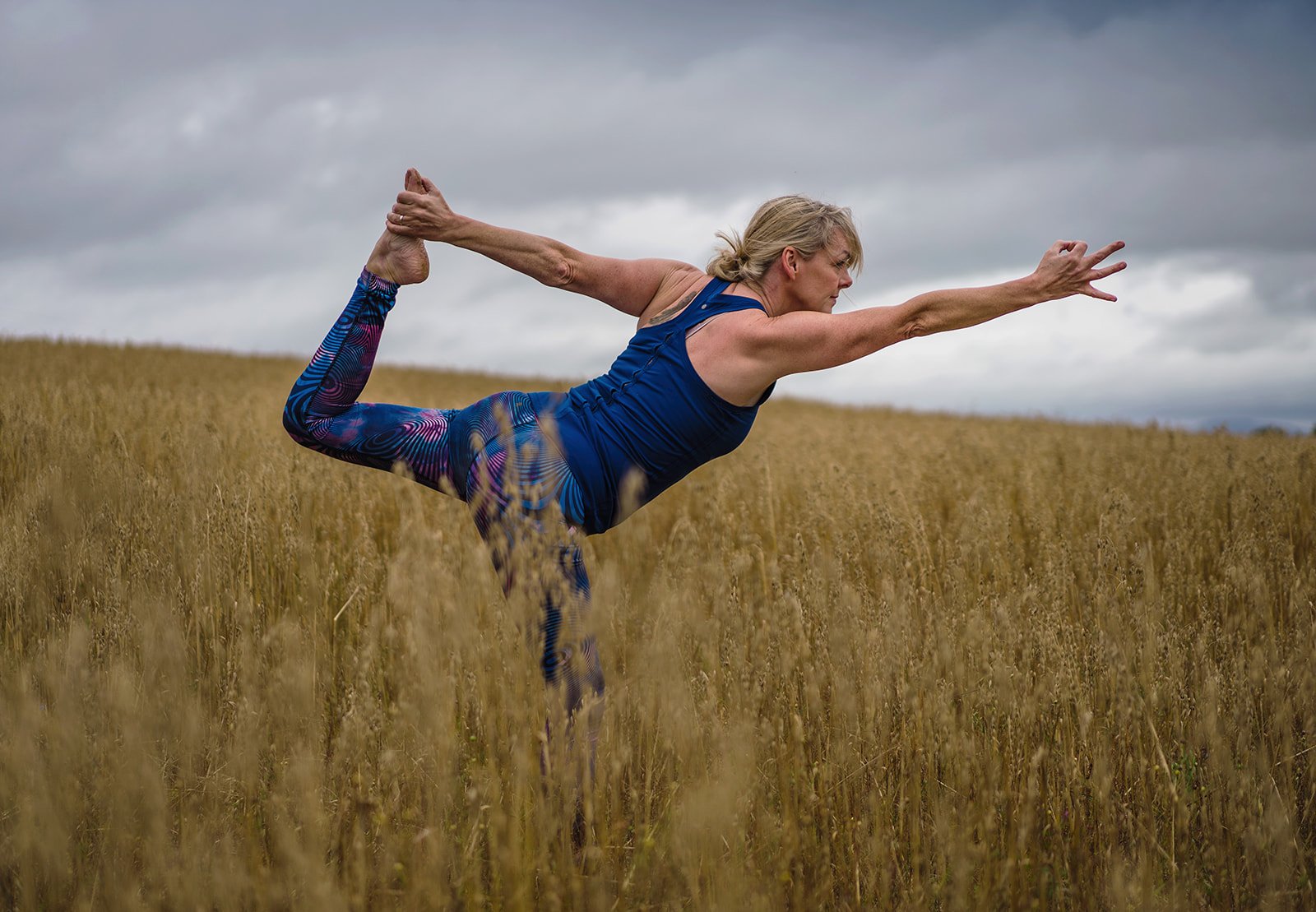
Yoga for Women Over 40: Simple Ways to Feel Stronger and More Balanced
Your body feels different these days. Maybe your back’s a bit stiffer in the mornings, or you notice you’re not quite as steady on your feet as you used to…
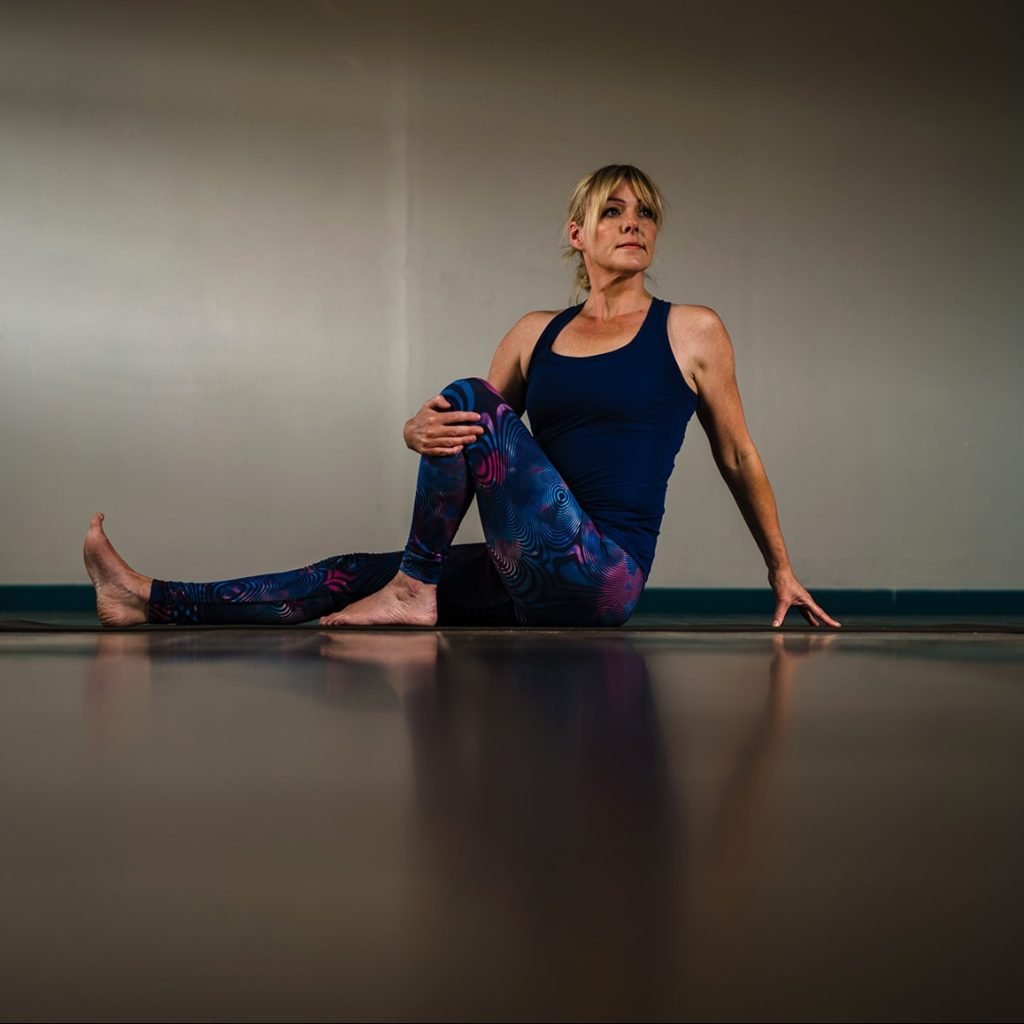
Stress has become so common that many people consider it normal. We wear busyness like a badge of honor and accept tension headaches, sleepless nights, and constant worry as part of modern life. But chronic stress doesn’t just feel bad – it actively damages your health, relationships, and ability to think clearly.
When you perceive a threat, your body releases cortisol and adrenaline, preparing you to fight or flee. This response worked well when humans faced occasional physical dangers, but today’s stressors are often ongoing: work deadlines, financial concerns, relationship conflicts, and information overload.
Your nervous system can’t tell the difference between a charging lion and an overflowing inbox. Both trigger the same physiological response, flooding your body with stress hormones that were meant to be used in short bursts, not continuously.
Long-term stress weakens your immune system, disrupts digestion, and interferes with sleep. It contributes to high blood pressure, heart disease, and diabetes. Stress also affects your brain, shrinking the areas responsible for memory and decision-making while enlarging the regions associated with fear and anxiety.
Many people don’t realise how much physical pain stems from stress. Tension headaches, back pain, jaw clenching, and stomach issues often improve dramatically when stress levels decrease.
Box Breathing – Inhale for 4 counts, hold for 4, exhale for 4, hold empty for 4. Repeat this pattern 5-10 times. This technique activates your vagus nerve, which signals your body to relax.
5-4-3-2-1 Grounding – Name 5 things you can see, 4 things you can touch, 3 things you can hear, 2 things you can smell, and 1 thing you can taste. This pulls your attention away from anxious thoughts and into the present moment.
Shoulder Rolls – Lift your shoulders up to your ears, roll them back, and let them drop. Repeat 5 times. Most people carry stress in their shoulders without realising it.
Cold Water – Splash cold water on your face or hold ice cubes in your hands. This activates your dive response, naturally slowing your heart rate and calming your nervous system.
Regular exercise might be the most effective stress management tool available. Physical activity burns off stress hormones and releases endorphins, your body’s natural mood elevators. You don’t need intense workouts; even a 10-minute walk can shift your mental state.
Connecting with others provides powerful stress relief. Talking through problems with a trusted friend, sharing a laugh, or simply feeling understood can lower cortisol levels and provide perspective on whatever you’re facing.
Spending time in nature reduces stress hormones and lowers blood pressure. If you can’t get outdoors, even looking at pictures of natural scenes can provide some benefit. Indoor plants also help purify air and create a calming environment.
Many people create unnecessary stress by overcommitting themselves. Learning to say no politely but firmly protects your time and energy for what truly matters. Remember that saying no to one thing means saying yes to something else, possibly rest or time with loved ones.
Before automatically agreeing to requests, pause and ask yourself: Does this align with my priorities? Do I have the bandwidth for this without sacrificing my wellbeing? Would I rather do this or have free time?
Designate certain times or spaces as stress-free. This might mean no work emails after 7 PM, keeping your bedroom free of work materials, or setting aside Sunday mornings for activities you enjoy.
Establish boundaries around news consumption and social media. While staying informed matters, constant exposure to negative information increases anxiety and makes the world seem more dangerous than it actually is.
Notice the stories you tell yourself about stressful situations. Instead of “This is terrible and I can’t handle it,” try “This is challenging, but I’ve handled difficult things before.” Small shifts in perspective can dramatically change how your body responds to stress.
Practice self-compassion when you make mistakes. The harsh self-criticism that many people engage in creates additional stress on top of whatever problem they’re already facing. Treat yourself with the same kindness you’d show a good friend.
Pay attention to early stress signals: changes in sleep patterns, increased irritability, difficulty concentrating, or relying more heavily on caffeine, alcohol, or other substances to cope. Catching stress early makes it much easier to address.
Physical symptoms like frequent headaches, digestive issues, or getting sick often can indicate that stress is overwhelming your system. These aren’t character flaws; they’re your body’s way of asking for help.
Start with one stress-reduction technique and practice it daily for a week. Once it feels natural, add another. Building these skills when you’re calm makes them more accessible during difficult times.
Keep a brief stress log for a few days. Note what triggers your stress, how you respond, and what helps you feel better. Patterns often emerge that can guide you toward more effective coping strategies.
Sometimes stress becomes overwhelming despite your best efforts. Talking to a counselor, therapist, or coach can provide new tools and perspectives. There’s no shame in seeking help; in fact, it shows wisdom and self-awareness.
If stress is interfering with your sleep, work performance, or relationships, professional support can help you regain control more quickly than trying to manage everything alone.
Remember that stress management isn’t about eliminating all stress from your life – that’s neither possible nor healthy. The goal is developing skills to handle life’s inevitable challenges without letting them derail your wellbeing or happiness.
Get gentle reminders, wellness insights, and practices to help you find calm in the chaos of leading with heart.